Decking / Beech or kwila
A New Zealand alternative to kwila
Kwila is a tough, stable timber, and imported kwila is the cheaper deck. Our red and hard beech is for people who would rather build with a native timber grown and milled here, with an origin on record.
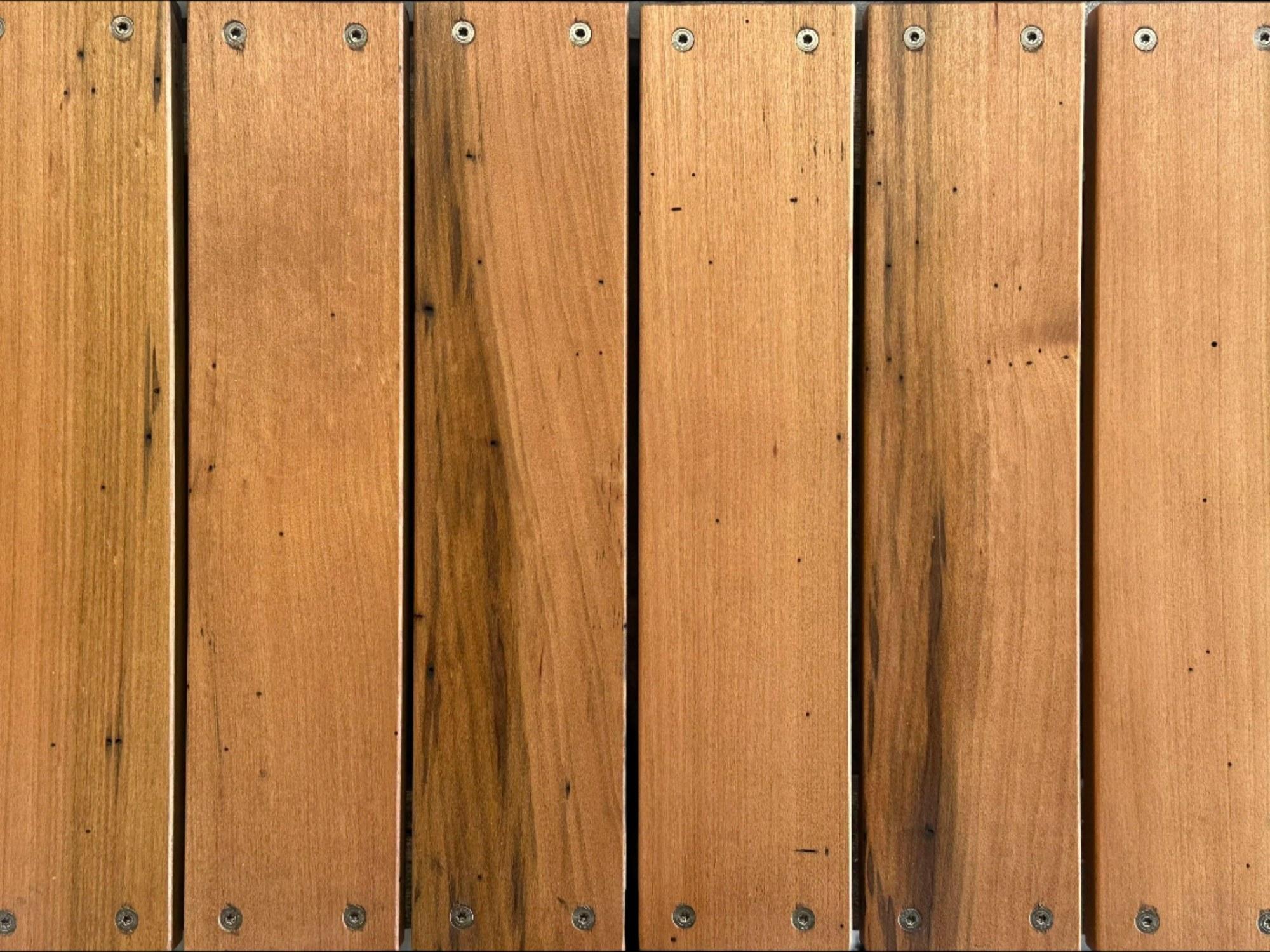
Why choose beech
- Grown and milled hereRed and hard beech from the West Coast of the South Island, cut and dried in New Zealand.
- A known originMilled under MPI’s rules for native timber, set out below.
- Listed for decking in NZS 3602The standard the Building Code uses for timber durability lists beech heartwood for decking in the weather, untreated, in the 15-year category for deck boards.
- A native timber deckWarm, reddish heartwood. Lighter than kwila, so easier to carry and cut on site.
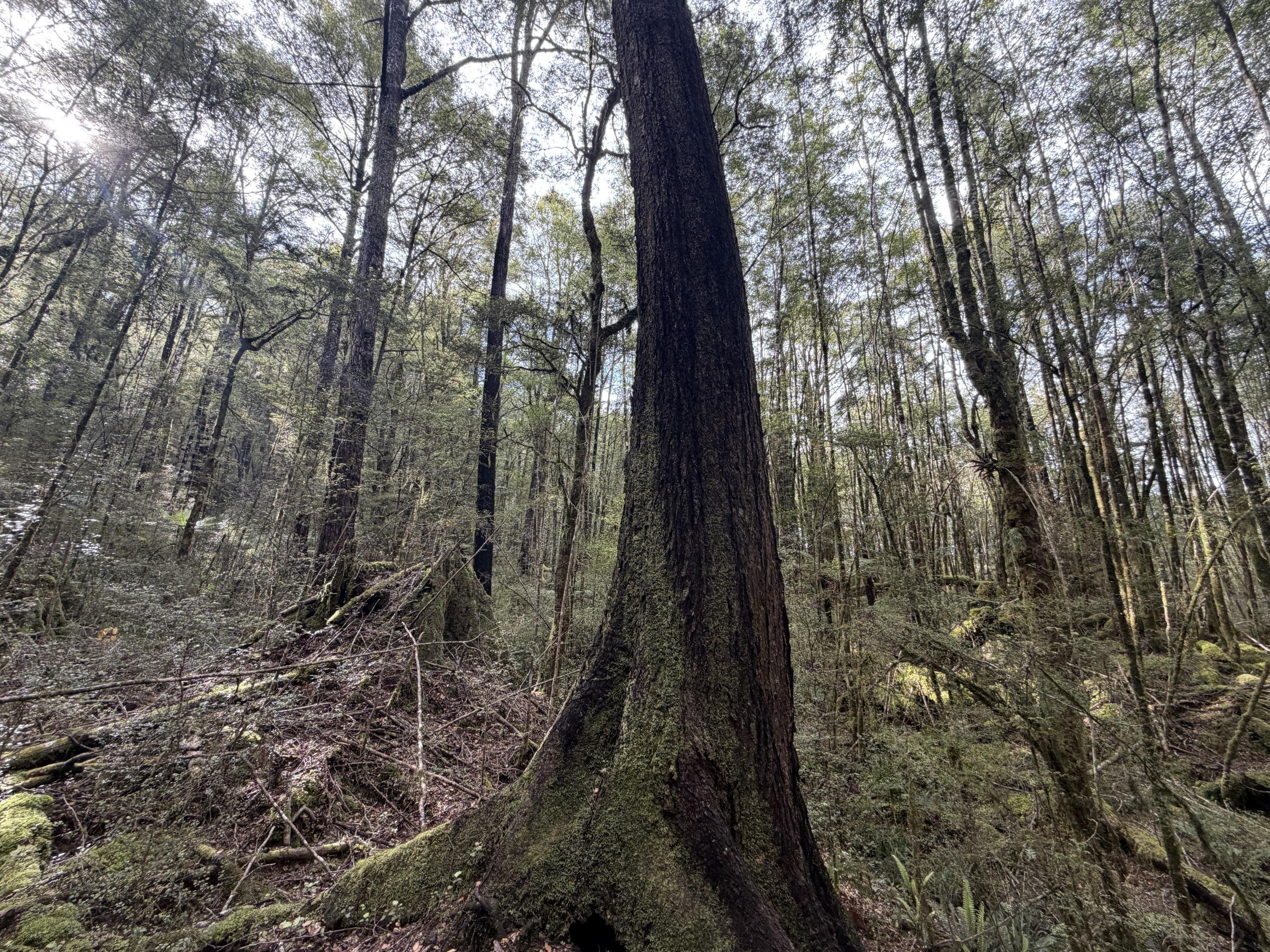
Seven years in the worst spot
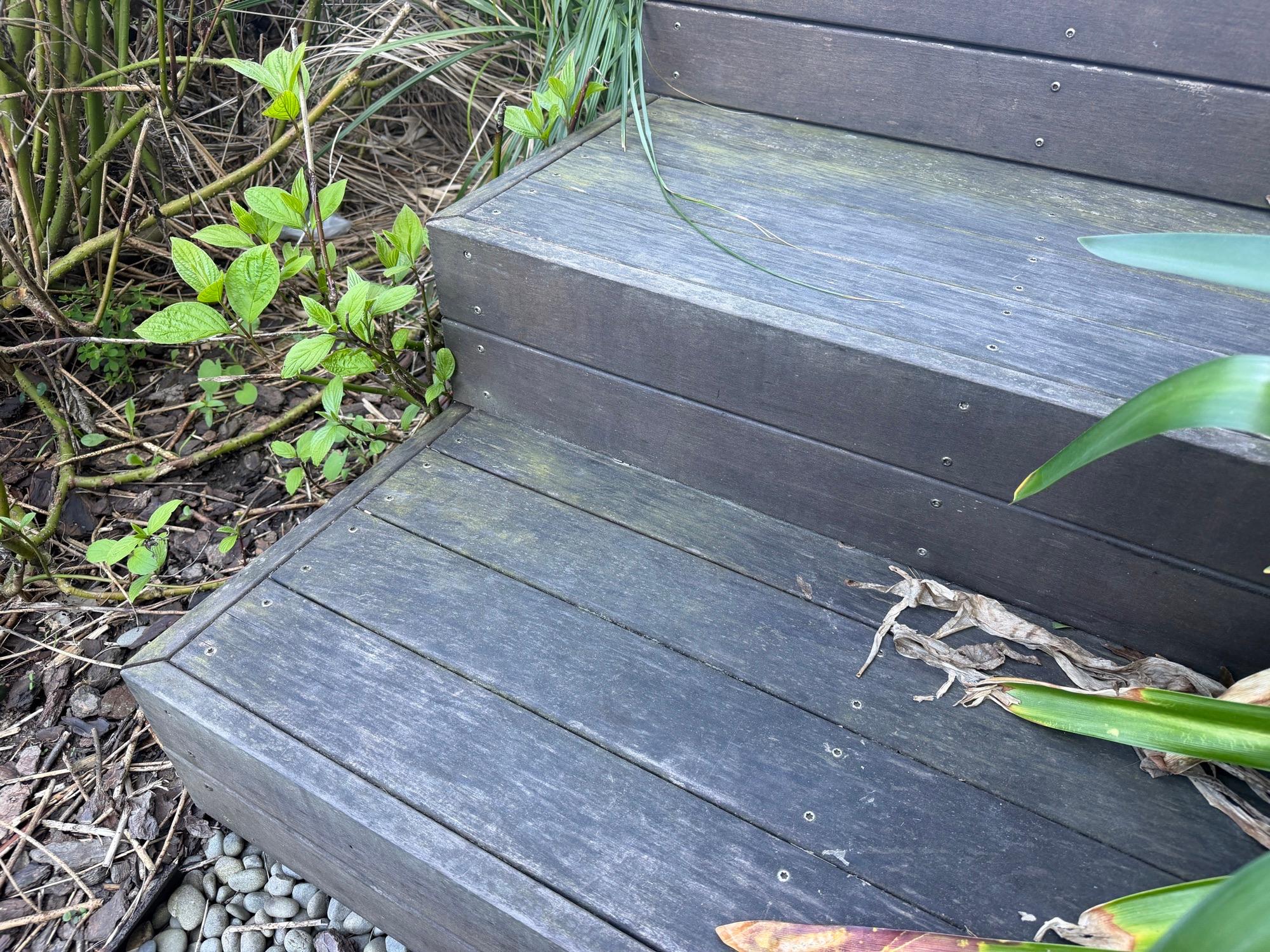
This is close to the worst place to put a deck: the south side of a house, damp, shaded and with little air moving underneath. It has had one recoat of oil in seven years. The green is surface growth from the shade. Under it, the boards are still straight and sound, with no cracks. Build yours with air and drainage, and oil it now and then, and it should look a good deal better than this.
What to know before you choose beech
- It costs more. For a 5 x 4 m deck (20 m²) with 5 mm gaps and 5% for cuts, you’d need about 222 lineal metres: $3,318.90 incl GST raw, before freight. Imported kwila is cheaper.
- It moves more than kwila as the weather changes, so leave proper gaps and fix each board well.
- It needs to dry out. Air underneath and gaps between boards matter more than they do with kwila.
- No iron. Iron marks beech in the wet, so use stainless steel or silicon bronze fixings, not plain or galvanised steel.
Send us your deck plan and we’ll price it with freight to you.
Building a beech deck
- 1Heartwood onlyRed or hard beech heartwood, which is all we sell for decking.
- 2Treated pine framingThe Building Code expects the structure under a deck to last 50 years and the deck boards 15.
- 3Stainless fixingsStainless steel or silicon bronze, pre-drilled near the board ends. Sweep up steel filings after cutting.
- 4Drainage and airGaps between boards, air underneath, and no wet, shaded corners where it can’t dry.
For a pool surround, a coastal site or a damp, shaded spot, talk to us first so your builder can check the details.
If you choose kwila
Kwila is hard, stable and long lasting above ground, and many good decks are built with it. Kwila and merbau are trade names for Intsia trees from South East Asia, New Guinea and the Pacific. Of the shaped kwila boards New Zealand imported in 2025, 98% came from Indonesia.
Whoever you buy from, ask for a certificate that names the product, with a code on the invoice you can look up. MPI rates tropical timber as the highest risk for illegal logging in general, and New Zealand doesn’t yet check imported timber for legal harvest, so the paperwork is what tells you.
Five questions for any decking supplier
Ask them about kwila, beech or anything else, ours included. The answers are worth having in writing.
- 1Which species is it? The botanical name, not only “kwila” or “merbau”. For beech: which beech, and is it all heartwood?
- 2Which country, and which region, was it harvested in?
- 3Is the product itself certified? What is the certificate code, and will the claim be on the invoice?
- 4What legality paperwork came with it? For New Zealand native timber, that is the MPI approval it was milled under.
- 5What grade is it, and what does the warranty cover outdoors?
The questions as an email to your supplier
Hi, Before I confirm this decking order, could you please tell me: 1. The botanical species of the timber 2. The country and region it was harvested in 3. Whether the product itself is certified, with the certificate code, and whether the claim will be on the invoice 4. The legality paperwork that came with it 5. The grade, and what the warranty covers for outdoor use I’m asking about the boards on this quote. Thanks
Questions
How long will a beech deck last?
Beech heartwood is listed in NZS 3602 for decking that needs to last 15 years, untreated, which is what the Building Code asks of deck boards. Kwila is rated to last longer above ground. Page and Singh’s durability review notes that 19 mm boards of this class can fall short in spots that stay wet and shaded, so build it to drain and dry.
Why does beech cost more than kwila?
Our beech comes from small West Coast harvests and is milled in batches in New Zealand, under MPI’s rules for native timber.
Is kwila from Indonesia illegal?
Not automatically, and the country alone tells you nothing either way. What matters is whether the boards come with paperwork you can check, such as a product certificate code on the invoice.
Which beech do you use for decking?
Red and hard beech heartwood only. We don’t use silver, black or mountain beech, or the sapwood of any beech, for decking. If a quote just says “beech”, ask which species and whether it is all heartwood.
Raw or factory oiled?
Factory oiled boards ($16.35 per lineal metre incl GST) arrive with a coat already on, which saves your builder a coat on site. Oil any cut ends before laying, and re-oil the deck before the surface goes dry or patchy.
Sources
- MPI, Harvesting and milling indigenous timber (May 2026)
- NZS 3602:2003, Table 2, as reproduced by the NZ Farm Forestry Association
- New Zealand Building Code, clause B2 Durability
- Page and Singh, Durability of New Zealand grown timbers, NZ Journal of Forestry (February 2014)
- NZ Farm Forestry Association, Specialty Timber Market: red beech
- NZ Farm Forestry Association, Specialty Timber Market: hard beech
- Stats NZ, overseas merchandise trade: 2025 imports, code 4409221915 (merbau/kwila, continuously shaped)
- MPI, Combatting trade of illegally logged timber
- Queensland Government, Kwila: properties and durability
- FSC certificate search